Bus Tractor Trailer Accidents: A Wake-Up Call for Safety
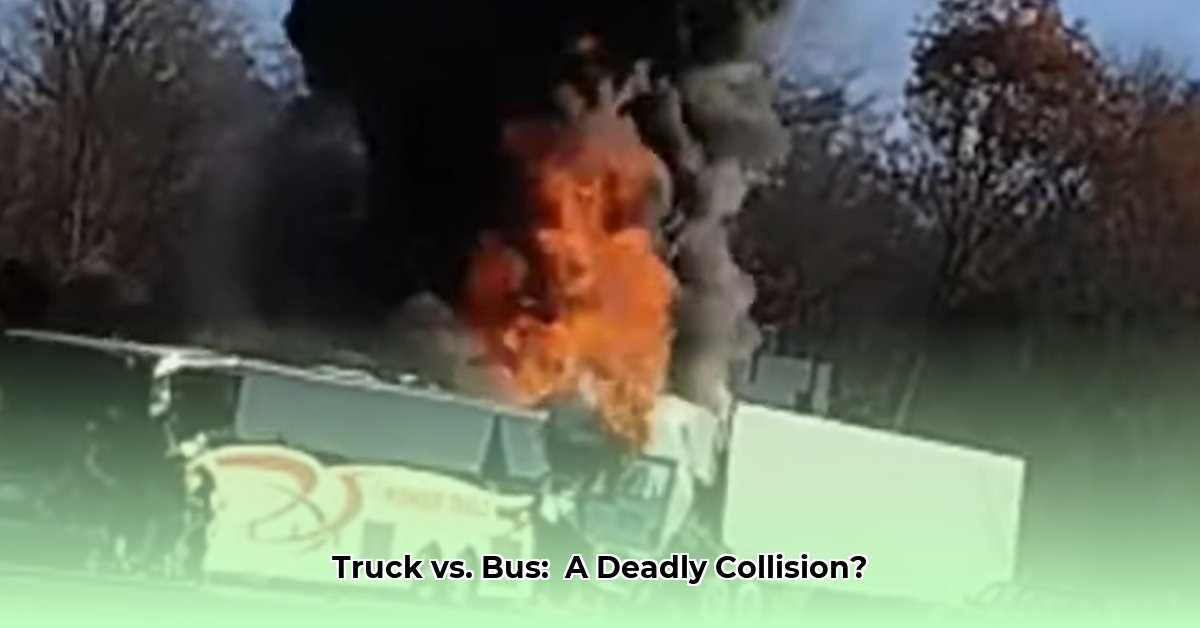
Two recent tragedies—a pedestrian fatality in St. Amant, Louisiana, and a horrific school bus crash in Illinois involving a tractor-trailer—have exposed critical weaknesses in our road safety system. These weren't isolated incidents; they highlight systemic problems demanding immediate attention. The human cost is devastating: families shattered, communities grieving, and survivors bearing lasting trauma. These weren't simply accidents; they were preventable failures. Understanding why these occurred is crucial to preventing future tragedies. How many more lives must be lost before we act decisively? For more information on recent accidents, see this report.
Unsettling Similarities, Different Stories
While the specifics differ, both accidents share alarming similarities. Both involved large commercial trucks, resulted in multiple fatalities, and likely involved human error and inadequate safety procedures.
The St. Amant incident, where a reversing truck struck a pedestrian, underscores the often-overlooked dangers of large vehicle maneuvers in confined spaces. Simple measures like clear communication between the driver and a spotter, and adherence to proper backing procedures, could have made a significant difference. The lack of these precautions proved fatal.
The Illinois school bus accident presents a more complex picture, with investigations still underway. Was it driver error, mechanical failure, poor road conditions, or a combination of factors? Regardless of the specific cause, the catastrophic outcome—involving innocent children—underscores the urgent need for comprehensive safety improvements.
Comparing the Crashes: A Closer Look
This comparative analysis reveals crucial insights:
| Feature | St. Amant Accident | Illinois School Bus Accident |
|---|---|---|
| Type of Accident | Pedestrian struck by reversing truck | Head-on collision between bus and tractor-trailer |
| Likely Contributing Factor(s) | Driver error, inadequate safety protocols, poor visibility | Under investigation; possible driver error, mechanical issues, road conditions, or a combination |
| Fatalities | One pedestrian | Multiple, including children |
| Key Lessons | Importance of safe reversing procedures and clear driver-spotter communication. | Need for enhanced driver training, rigorous vehicle maintenance, and advanced safety technologies. |
How to Improve Commercial Truck Driver Training to Prevent Fatal Accidents
The trucking industry must prioritize safety improvements. Accidents are far too common, resulting in immense human suffering. Addressing this requires a multi-pronged approach encompassing better training, advanced technology, and stricter regulations. Why do these accidents continue to happen? A closer look reveals a complex interplay of driver fatigue, mechanical failures, and inadequate adherence to safety regulations.
Understanding the Problem: A Deeper Dive
Driver fatigue significantly contributes to accidents. Driving for extended periods leads to exhaustion, compromising judgment and reaction time. Mechanical failures, often stemming from improper maintenance and inadequate pre-trip inspections, create hazardous conditions. Finally, consistent compliance with safety regulations is paramount; learning from past accidents is key.
Improving Training: A Multi-pronged Approach
Effective solutions demand a comprehensive training overhaul:
- Enhanced Curriculum: Integrate advanced driver-assistance systems (ADAS) training and realistic scenario simulations.
- Technology Integration: Utilize AI-powered dashcams to provide real-time feedback, alert drivers to hazards, and record incidents for analysis. This data helps identify risky driving behaviors and enables targeted coaching.
- Data-Driven Insights: Analyze accident data to identify recurring patterns and areas needing improvement.
- Continuous Improvement: Driver training must be ongoing, with regular refresher courses and continuous evaluation to maintain high safety standards.
- Addressing Driver Complacency: Instill a strong safety culture emphasizing the importance of vigilance and responsible driving behaviors.
The Role of Technology: AI Dashcams and Beyond
AI dashcams offer valuable real-time feedback and recording capabilities. While beneficial, responsible use is crucial, mitigating privacy concerns and addressing potential algorithmic bias. While technology assists, it isn't a standalone solution; effective training remains paramount.
Collaboration is Key
A coordinated effort is vital. Fleet operators, training schools, and regulatory bodies (like the FMCSA) must collaborate, sharing data, standardizing training, and enforcing clear safety guidelines.
The Path Forward: A Call to Action
Improving commercial truck driver training requires a holistic approach—better training, smarter technology, and stronger regulations. Let's work together to make our roads safer and prevent future tragedies. The lives already lost demand immediate and decisive action.